Lisbon: An Insider’s Guide
Lisbon is one of those cities that immediately gets under your skin—in the best way. It is all golden light, tiled façades, old yellow trams, tiled courtyards, stylish little wine bars, river views, and hills that will have your calves filing a formal complaint by Day Two.
But it is also wonderfully lived-in. Lisbon is not a city you “tick off.” It is a city to wander slowly, eat very well, take the long way home, and let unfold over long lunches, sunset drinks, and aimless walks through neighborhoods that somehow keep getting prettier. For current visitor information, events, and practical resources, start with the official Visit Lisboa site. visitlisboa.com
Lisbon Cheat Sheet
Give Lisbon at least three nights; four or five is even better if you want to add Sintra, a beach day, or a relaxed pace. I would not try to cram Lisbon, Sintra, Cascais, Porto, and the Algarve into four nights simply because Portugal looks compact on a map. Lisbon rewards a little restraint.
The city is wonderfully walkable in theory and wildly hilly in practice. Bring comfortable shoes with grip, because cobblestones can be slick and the hills are no joke. Use trams, the metro, rideshares, and taxis strategically—there is no prize for doing every incline on foot.
For a first visit, I would stay in or near Chiado, Bairro Alto, Príncipe Real, Baixa, or Avenida da Liberdade. These areas give you easy access to the best sightseeing, shopping, dining, views, and nightlife without forcing you to spend half the day in transit.
Lisbon is generally considered a safe destination for U.S. travelers, but crowded trams, major viewpoints, busy tourist zones, and transit hubs are prime settings for petty theft. Keep bags zipped, wear crossbody bags in front of you in crowds, and do not let vacation mode make you careless. travel.state.gov
Why You’ll Love Lisbon
Lisbon feels more relaxed than Paris, less polished than London, warmer than many major European capitals, and far more affordable than it used to be—but it is no longer the “cheap secret” people remember from a decade ago.
The city has beautiful architecture, strong food culture, interesting design, great hotels, historic neighborhoods, and a laid-back, late-dining rhythm. You can spend the morning in a grand monastery, have lunch over wine and grilled fish, wander through a flea market or a tile-filled museum, and end the day at a rooftop bar looking over the Tagus River.
It is a fantastic destination for couples, girlfriends’ trips, food-and-wine travelers, first-time Portugal visitors, history lovers, and anyone who likes cities with personality. It is also an excellent beginning or ending point for a larger Portugal itinerary.
If you want flawless sidewalks, perfectly predictable service, and a completely flat city, Lisbon may test your patience a little. But if you like a place with charm, texture, faded grandeur, creativity, and enough imperfection to feel real, you will love it.
Where I Would Stay
In Lisbon, location matters more than an extra few square feet in the room. A charming hotel within easy reach of the places you want to walk to will make the entire trip feel smoother. For most first-time visitors, I would book Chiado or Príncipe Real. Chiado is central, elegant, walkable, and perfect if you want to be close to shops, cafés, theaters, historic sights, and easy transportation. It feels sophisticated without being stiff.
Príncipe Real is one of my favorite choices for couples and style-conscious travelers. It has leafy streets, boutiques, wine bars, excellent restaurants, and a more residential feel than the busiest sightseeing areas. It is close to the action but gives you a little breathing room when you come back at night.
Avenida da Liberdade is the best choice if you want a more polished, luxury-hotel experience. Think grand boulevards, upscale shopping, elegant hotels, and easy access to both the old city and newer parts of Lisbon. This is where I would look for travelers who want quiet luxury, beautiful service, and an easy walk or short ride to major neighborhoods.
Baixa is practical, central, and ideal if this is your first time and you want to be near the classic sights. You are close to Praça do Comércio, Rossio, the riverfront, and several transportation connections. It can feel busy and touristy, but it is undeniably convenient.
Bairro Alto is fantastic for nightlife, restaurant proximity, and a more spirited city feel. I love it for travelers who want energy and are not bothered by some evening noise. If you go to bed early or want absolute calm, choose nearby Chiado or Príncipe Real instead.
Alfama is romantic, atmospheric, historic, and postcard-perfect. It is also steep, labyrinthine, cobbled, and not the easiest neighborhood for cars, large luggage, or anyone with mobility concerns. I love it for a boutique stay or a short romantic visit, but I would not automatically book it for every first-time traveler.
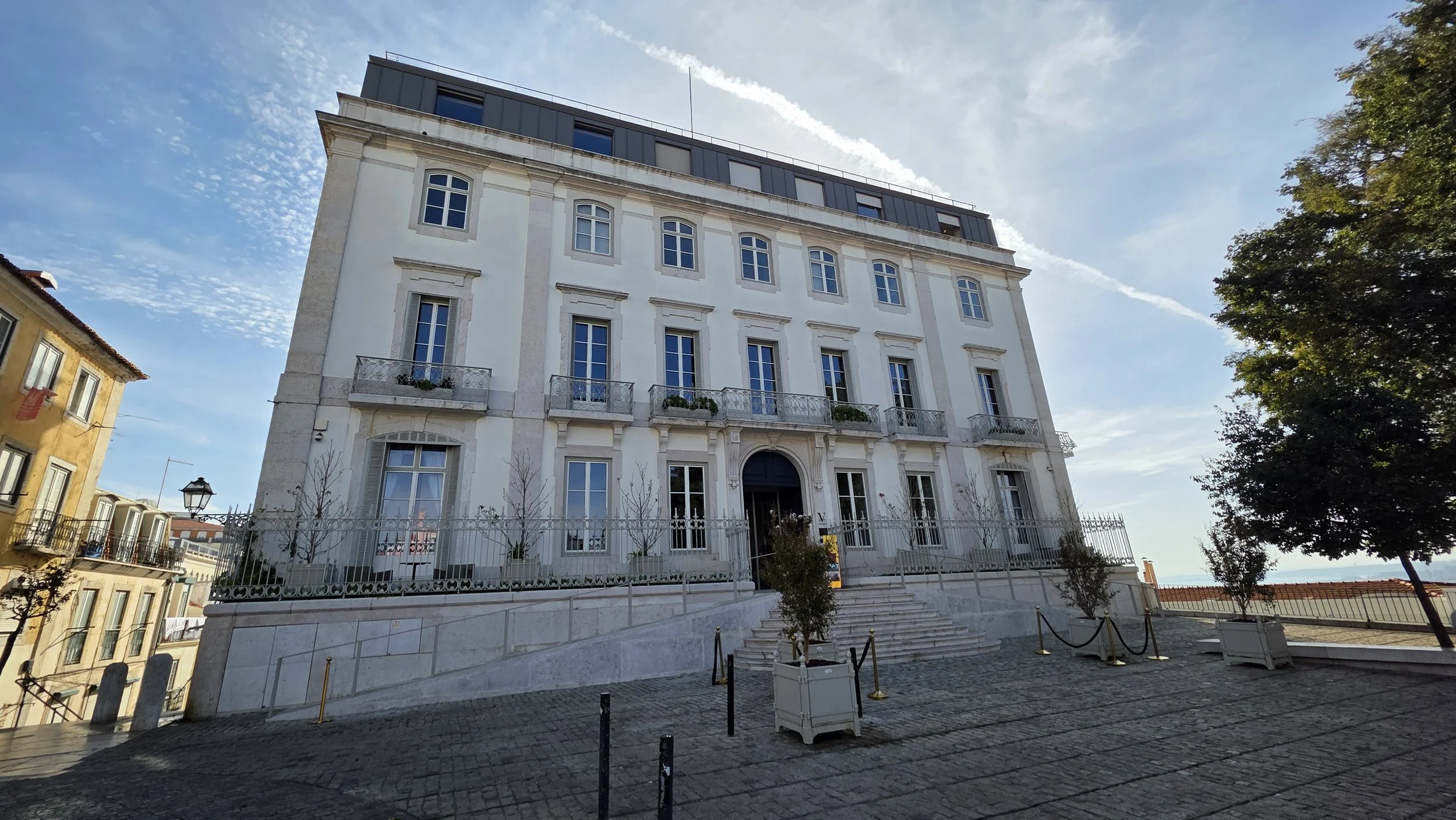
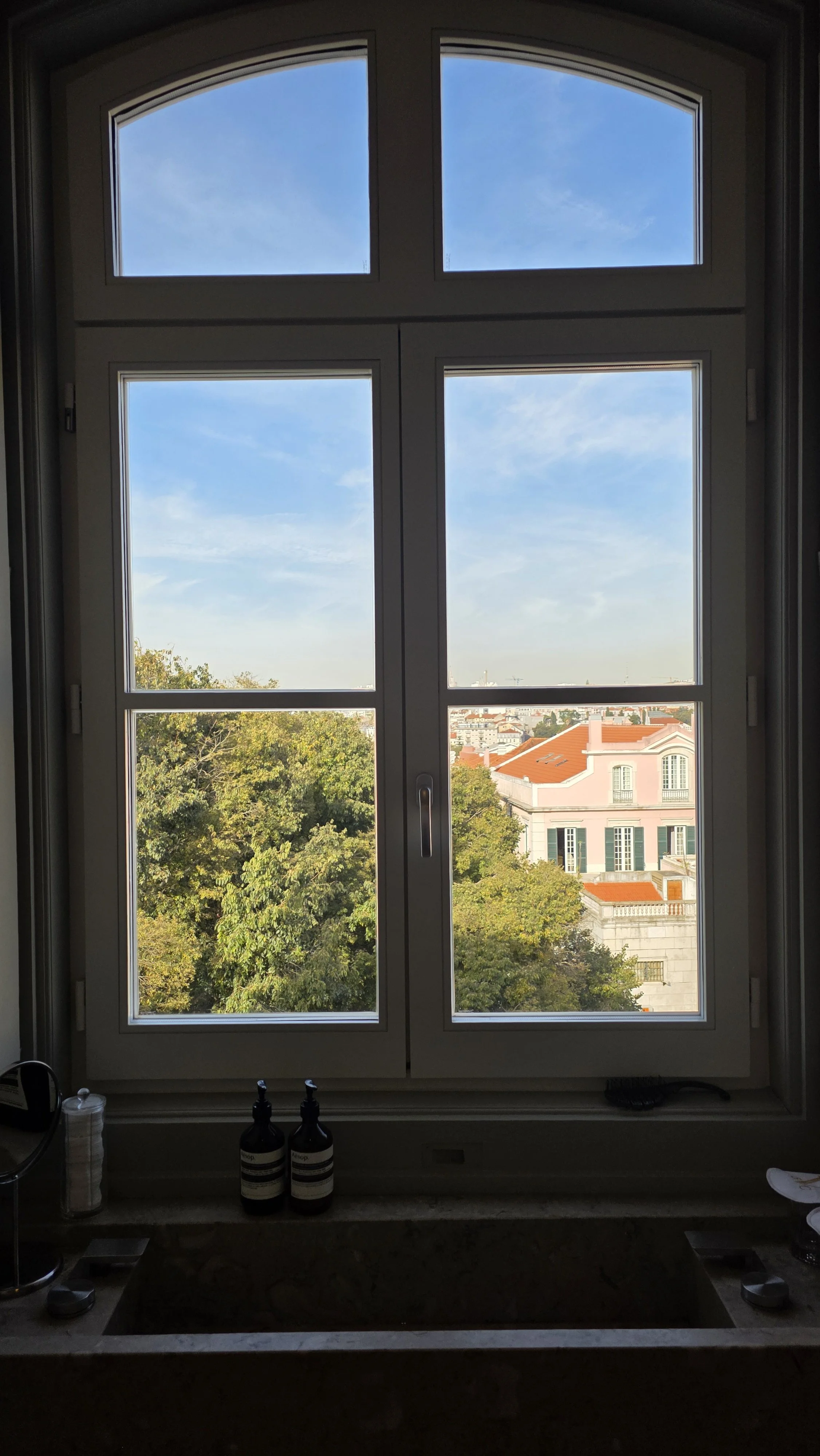
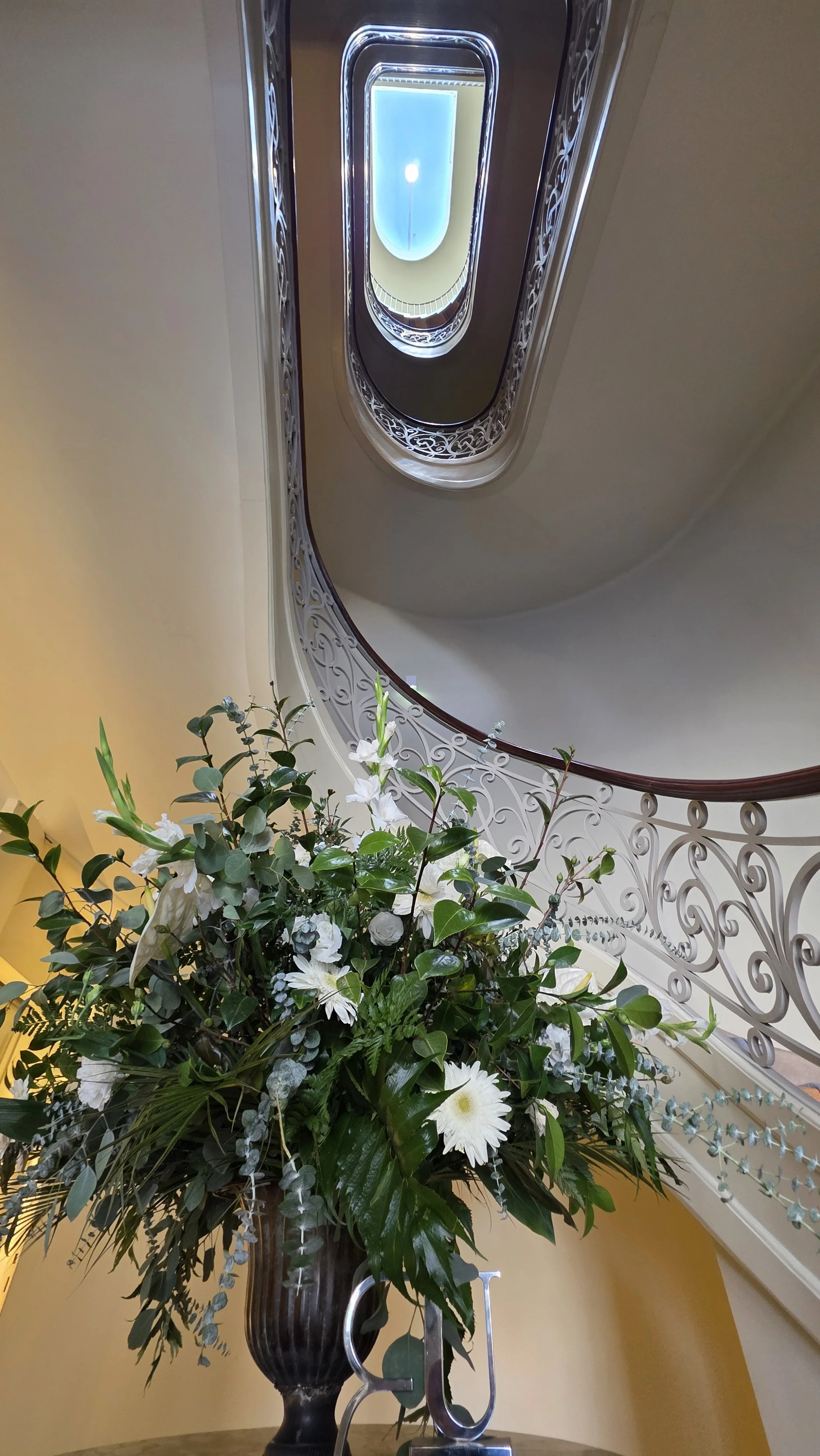
Insider’s Tip: I loved my stay at the Verride Palácio de Santa Catarina, located right between the Chiado and Bairro Alto districts and right around the corner from Bica. Situated on a hilltop near the Santa Caterina viewpoint, it’s an oasis of calm in a bustling city, and yet centrally located. With only 18 rooms, this former palace makes you feel like royalty. A great rooftop bar, an intimate pool to cool off after a long day sightseeting, and a staff truly on another level, this is Lisbon at its finest. Rua de Santa Catarina Nº1, 1200-401 Lisb
Where I’d Book
Lisbon has a strong hotel scene, and I would choose based on the kind of trip you want rather than simply chasing the newest five-star opening.
For classic luxury, look around Avenida da Liberdade, where you will find elegant heritage hotels, refined service, beautiful bars, and a more polished city-resort feel. These are perfect for milestone birthdays, anniversaries, honeymooners, and travelers who want to return from a day of sightseeing to a hotel that feels like a reward.
For romantic boutique charm, Chiado, Príncipe Real, and parts of Alfama have beautiful smaller hotels with design-forward interiors, rooftop terraces, intimate breakfast rooms, and a stronger sense of place. These are the stays I love for couples who want Lisbon to feel personal rather than corporate.
For travelers who enjoy contemporary design and a lively restaurant-and-bar scene, look toward the newer boutique and lifestyle hotels around Cais do Sodré, Santos, Chiado, and the waterfront. These can be great if you want to be able to walk to nightlife and restaurants, though room sizes can be compact.
Rates vary by season, events, and room type, but Lisbon can range from moderate boutique hotels to ultra-luxury properties. For a comfortable upscale stay, I would generally budget from the mid-hundreds per night, while top luxury hotels and suite categories can climb quickly in spring, early fall, and high-demand weekends.
How I’d Spend Your Time
Start with the historic core, but do not try to see every monument in one breathless day. Lisbon’s beauty is in the transitions—the tiled alleyways, tiny cafés, steep staircases, old shops, and viewpoints between the official sights. A Tuk Tuk tour is a popular way to see the city (and save your legs!) Drivers will stop for a few minutes at the main attractions, allowing you to snap a photo and determine which ones you want to return to and explore more.
Spend time in Baixa and Rossio, then make your way toward Chiado and the old streets around Bairro Alto. Wander through Alfama early in the day or toward golden hour, when the light is softer and the narrow lanes feel more magical than crowded. Visit a miradouro, or viewpoint, but do not feel pressured to race to all of them. Pick one or two and actually stay long enough to enjoy the view.
I would absolutely include Belém, but give it its own half day rather than trying to squeeze it into the middle of sightseeing downtown. This is where you will find Portugal’s great maritime-era monuments, riverside paths, museums, and the famous custard-tart stop that everyone talks about because, in this case, everyone is right. The Jeronimos Monastery is a highlight - arrive early to beat the tour buses!
The major Belém sights are popular, and timed-entry or advance tickets can make the day vastly more pleasant. The official Lisboa Card combines transport with admission benefits for dozens of attractions, but it only makes sense if you plan to use enough included sites and public transportation to justify it.
Make room for a few less-obvious pleasures: browse local shops and design stores, take a long lunch, visit a tile museum or smaller cultural museum, have a drink near the river, and listen to fado one evening in a proper intimate setting. Fado is most meaningful when it is treated as music and storytelling, not simply a dinner show you squeeze in between appetizers and dessert.
Hidden Gem
If you’re a perfume aficionado, I highly recommend a stop at Next Memory Atelier, located in a 19th century pharmaceutical lab. It’s highly recommended to schedule an appointment where a sales associate will assist you in customizing the perfect personalized scent souvenir. With intoxicating scents such as Brown Coffee and Pastel de Nata, you’re certain to have an experience to remember. Beautiful packaging, superb service. R. São José 187, 1150-326 Lisboa, Portugal
The Day Trip I Would Not Skip
If you have four nights or more, I would make time for Sintra. It is wildly romantic, green, hilly, and a completely different mood from Lisbon: palaces, gardens, forests, mist, colorful architecture, and enough visual drama to make you feel like you accidentally wandered into a fairy tale designed by someone with a maximalist budget.
Pena Palace is the headline attraction and deservedly popular, but it needs planning. Reserve an entry time in advance, arrive early, and do not assume you can casually arrive at noon in high season and glide in. The palace sits on a hill, transportation can be slow, and crowds build quickly.
If you have time, pair one marquee palace with a quieter garden or estate rather than trying to speed-run every historic property in Sintra. That is the difference between a lovely day and a day spent standing in lines wondering why you thought this was a good idea.
For a more relaxed coastal day, go to Cascais. It is easy, breezy, polished, and perfect when you want ocean air, lunch by the water, a promenade walk, and a break from Lisbon’s hills. I would choose Cascais over Sintra if you need a low-effort day, are traveling in warm weather, or simply want to sit near the water with a glass of wine and no agenda.
What I’d Eat
Lisbon is a city where I would eat a little of everything: a few thoughtful, modern Portuguese meals; simple grilled fish; good seafood rice; casual neighborhood snacks; wine-bar plates; excellent pastries; and one or two long dinners where you decide dessert is probably wise because you are on vacation and the table is too lovely to leave.
You should absolutely try bacalhau in some form, but do not stop there. Look for fresh grilled fish, seafood, rice dishes, clams, pork sandwiches, croquettes, petiscos—Portugal’s version of small plates—and seasonal produce. A good local meal is often beautifully simple, which is precisely why it is so good.
For breakfast and afternoon breaks, embrace coffee culture and pastries. Have a pastel de nata (stop at Manteigaria or Pasteis de Belem), preferably warm, but do not make yourself eat seven in one day simply because you saw it in a video. One excellent one with coffee is a civilized choice. Two is a vacation choice. After that, we are getting into personal business.
For special dinners, I would make reservations for contemporary Portuguese restaurants, seafood-focused dining rooms, chef-led tasting menus, and restaurants with great city or river views. For casual meals, seek out traditional tascas, wine bars, food halls in moderation, neighborhood cafés, markets, and small family-run spots where the menu is often shorter and the food is better for it.
Insider’s Tip: Do not eat every meal in the most obvious tourist square. Walk one or two streets away, look for a lively room with Portuguese being spoken around you, and be willing to order something that is not already on your personal greatest-hits list.
Getting Around Without Losing Your Mind
Lisbon is best experienced as a walking city with strategic breaks. Walk the flatter, scenic stretches; use public transportation or rideshares for steep climbs, longer distances, and tired-feet moments.
The metro is useful, efficient, and especially good for airport transfers and getting between central areas. The iconic trams are fun, but they are also crowded, slow, and attractive to pickpockets. Take one for the experience, ideally earlier in the day, but do not build your whole schedule around it.
Taxis and rideshares are helpful and often more sensible than fighting your way uphill in summer heat. If you are staying in Alfama, make sure your hotel can clearly explain vehicle access and luggage handling before you arrive. The old lanes are charming; hauling a suitcase uphill over cobblestones is less so.
I would skip renting a car in Lisbon itself. Parking, narrow streets, traffic, and one-way systems are not a vacation gift. Use trains or private transfers for day trips, then rent a car only if you are continuing onward into Portugal.
Best Time to Go
My favorite times for Lisbon are spring and fall. April through June is lovely, with warm weather, blooming gardens, and long days, though prices and crowds rise as summer approaches. September through October is equally appealing—warm enough for outdoor dining and coastal day trips, often with a slightly easier rhythm after peak summer.
Summer is hot, sunny, lively, and crowded. It is wonderful if you like a buzz, late dinners, festivals, and coastal escapes, but you need to plan for heat and more people at major sights. I would book hotels, special restaurants, and timed attractions well in advance.
Winter is quieter, more affordable, and surprisingly appealing for food, museums, wine bars, and city wandering. You will get cooler temperatures and occasional rain, but Lisbon remains far milder than many European cities. It can be an excellent choice for travelers who care more about atmosphere than beach weather.
A Simple Lisbon Plan
For three nights, I would make your first day about settling in, walking Chiado and Baixa, enjoying a long dinner, and letting the city introduce itself slowly. On the second day, explore Alfama, visit a major historic site, have a relaxed lunch, find a viewpoint, and do a fado evening. On the third day, head to Belém and leave the evening open for shopping, rooftop drinks, or a special dinner.
With four nights, add Sintra. With five nights, add both Sintra and Cascais, or simply keep an extra Lisbon day for museums, shopping, markets, neighborhood wandering, and long lunches. There is no rule that says you must turn every extra day into a day trip.
What It Costs
Lisbon is more expensive than it was, especially in the best central neighborhoods and during spring, summer, and early fall. Still, it can offer excellent value compared with other major Western European capitals—particularly when it comes to food, wine, and boutique hotels.
For a comfortable upscale trip, I would budget for a well-located hotel, a few special dinners, museum and monument tickets, a day trip, rideshares when needed, and plenty of coffee-and-pastry stops. For luxury travelers, the big variables are hotel choice, private touring, dining, and whether you use private transfers for Sintra or onward travel.
The overlooked costs tend to be airport transfers, peak-time attraction tickets, evening taxis, luggage assistance in steep neighborhoods, and the entirely predictable but somehow still surprising amount spent on wine, pastries, and “just one more” rooftop drink.
Book These Early
Book your hotel as soon as dates are firm if you are traveling from April through October, over holidays, or during a major event. I would reserve special restaurants, fado venues, Sintra transportation or private guides, and timed entries for popular attractions in advance.
The official Visit Lisboa website is the best starting point for city events and current visitor planning. If you are considering the Lisboa Card, check its included attractions and current validity before you buy; it can be useful, but it is not automatic savings for every traveler.visitlisboa+2
Pack Like You Mean It
Bring comfortable shoes with good soles, not just cute shoes. Lisbon’s cobblestones are uneven, occasionally slick, and paired with enough elevation to make a sturdy shoe your best travel companion. I can’t stress enough how important good tread is in order to navigate some of the hillier sections
Pack layers, a light jacket, sunglasses, a crossbody bag with a secure closure, a portable charger, and one slightly dressier outfit for a nice dinner or fado evening. In summer, add a hat, refillable water bottle, and breathable clothes. In cooler months, bring a compact umbrella or rain jacket.
A Few Things to Avoid
Do not overbook every day. Do not stay in a neighborhood solely because it looked romantic in a photo without thinking about hills, noise, luggage access, or transportation. Do not try to visit multiple major Sintra palaces in one rushed day. Do not assume restaurants serve dinner early by American standards. And do not get so focused on “the best pastel de nata” that you miss an entire city full of excellent food.
Most importantly, do not rush Lisbon. It is not a city that performs on command. It gets better after you have taken a wrong turn, found a tiny square, wandered into a wine bar, and realized the plan for the afternoon is no longer remotely relevant.
My Final Take
I would give Lisbon four nights if I could—three for the city itself and one for Sintra. Stay centrally, walk often but not heroically, take taxis when your feet have had enough, and leave plenty of room for long meals and unplanned stops.
The perfect Lisbon trip is not about racing from tram to palace to viewpoint. It is about the slow moments: espresso at a sidewalk table, tiled buildings glowing in late-afternoon light, the sound of fado drifting through an old neighborhood, a glass of Portuguese wine overlooking the river, and that lovely feeling of realizing you have nowhere else you need to be.
Let’s Plan Your Lisbon Escape
Lisbon is even better when you go beyond the obvious—finding the tucked-away wine bar with the perfect petiscos, the tile-covered courtyard you would have walked right past, the neighborhood restaurant where the menu is short and wonderful, or the quieter Sintra garden that feels like your own secret discovery.
If you would like help planning a Lisbon itinerary that balances the iconic sights with hidden gems, beautiful hotels, memorable dining, day trips, private guides, and just the right amount of unplanned wandering, I would love to help.
Contact me at Beyond Postcards Travel to create a Lisbon escape that feels effortless, personal, and far more memorable than simply following the same guidebook route as everyone else.
