Kauai - An Insider’s Guide
If you want Hawaiʻi with more soul, more scenery, and less “I somehow spent my vacation inside a shopping mall,” Kauaʻi is it. This is the island I recommend when you want lush mountains, dramatic coastlines, quiet beach mornings, beautiful resorts, excellent casual food, and just enough adventure to make you feel like you really went somewhere.
Kauaʻi is not the island for trying to conquer a checklist. It is the island for a slow coffee with mountain views, an unexpectedly perfect beach afternoon, a boat ride beneath the Na Pali cliffs, and a dinner where you realize you have not checked your phone in three hours. The official Kauaʻi visitor resource is a useful first stop for current logistics, activities, and updates: Gohawaii.com/kauai
Kauai Cheat Sheet
Here is what I would want you to know before booking: give Kauaʻi at least five nights, but seven is much better. Rent a car. Stay mostly on one side of the island unless you have a week or more. Do not assume every gorgeous beach is safe for swimming. And please, do not plan every hour—Kauaʻi has weather, rainbows, slow roads, and a way of making the best moments happen when you have left space for them.
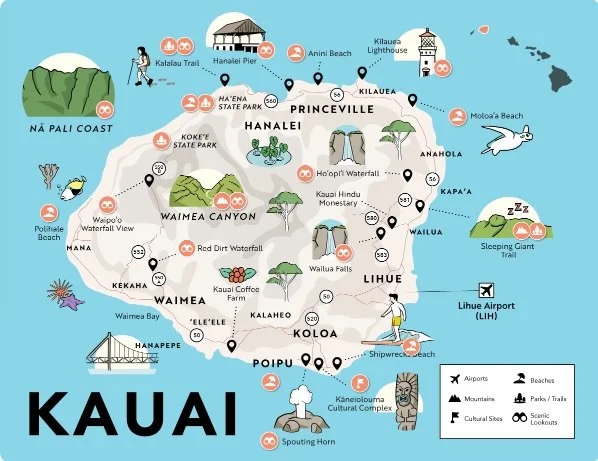
For a first visit, I would usually put you on the South Shore in Poʻipū. It has the best mix of sunshine, good beach access, restaurants, resort choices, and easy access to Waimea Canyon. If you have more time, split the trip between Poʻipū and the North Shore around Princeville or Hanalei. That gives you two very different versions of the island: sun-kissed resort-and-beach Kauaʻi in the south, then lush, cinematic, almost-too-pretty-to-be-real Kauaʻi in the north.
The one thing that catches first-timers off guard is that Kauaʻi is compact on a map but not fast to get around. Roads are mostly two lanes, weather can change quickly, and there is no road connecting the North Shore all the way around the Na Pali Coast to the West Side. You cannot casually “pop over” from Poʻipū to Hanalei and back without making a day of it.
Why Kauai Feels Different
Oʻahu is energetic, urban, diverse, and packed with restaurants, shopping, history, and nightlife. Maui is more resort-forward, with an easier blend of beach luxury, golf, and scenic driving. The Big Island feels huge, raw, and geologically dramatic, especially if volcanoes and varied landscapes are your thing.
Kauaʻi feels more intimate and more atmospheric. It is greener, slower, and more rural. It is the Hawaiʻi you choose when the goal is not to be entertained every minute, but to be completely taken out of your ordinary life.
I especially love Kauaʻi for couples, honeymooners, active-but-not-hardcore travelers, families who enjoy nature, and anyone who appreciates a beautiful hotel but does not need a giant resort complex to have fun. It is also wonderful for travelers who like a bit of weather drama. A little rain here is not a vacation failure—it is part of why the mountains are so impossibly green.
If you want big nightlife, serious shopping, constant action, and easy access to dozens of different restaurants every evening, I would steer you toward Oʻahu. If you want a wider selection of classic beach resorts with less rain risk, Maui may be an easier fit. But if you want the island that makes you stop mid-sentence because the view is that good, Kauaʻi wins.
Where I Would Stay
For most first-time visitors, I would start with Poʻipū on the South Shore. It is sunny, polished, easy, and a wonderful balance of resort comfort and island atmosphere. You have good beaches nearby, more reliable weather than the North Shore, good shopping for vacation basics, and enough restaurants to avoid feeling stranded at your hotel every night. It is also the easiest base for Waimea Canyon, the West Side, sunset dinners, and boat trips that depart from the south.
Poʻipū is particularly good for couples, families, first-time visitors, and anyone who wants to relax without feeling isolated. You can stay at a full-service resort with pools, spa treatments, beach service, and proper restaurants, or choose a condo or villa if you want more space, a kitchen, and a more residential rhythm.
Kōloa is just inland from Poʻipū and is lovely if you prefer plantation-era charm, quieter accommodations, and easy access to South Shore beaches without staying directly in a resort zone. It is also a good area for casual lunches, coffee, and a little browsing.
If you want the “I cannot believe this is real” version of Kauaʻi, stay in Princeville, Hanalei, or the North Shore. This is the lush, rainier, more cinematic side of the island. Princeville gives you beautiful resort and villa options with dramatic ocean and mountain views. Hanalei is more laid-back, more village-like, and wonderful for travelers who want beach culture, casual cafés, surfy energy, and a less manicured feel.
The North Shore is ideal for a second stay after Poʻipū, a romantic escape, or travelers who want their vacation to feel genuinely away from it all. Just know that it rains more often, dining options are more limited, and you need to be comfortable with a slower pace. It is very much worth it—but it is not the part of Kauaʻi where I would put someone who needs perfect weather and constant options.
The East Shore around Kapaʻa and Wailua is a smart choice if you want a more local feel, casual restaurants, good access to the coastal bike path, and a central position between north and south. It tends to offer better value than Poʻipū or Princeville, and it is convenient for Wailua River outings, waterfalls, food trucks, and easygoing beach days. It is less “luxury resort postcard” and more “comfortable island base.”
Līhuʻe is close to the airport and very practical for one-night stays before an early departure. It has services, shopping, groceries, and a few solid hotel options, but it is not where I would put you for the most romantic or immersive Kauaʻi experience unless convenience is the priority.
The West Side around Waimea and Kekaha is dry, rural, and close to the canyon. It is great for a day trip and appealing for travelers who genuinely want quiet, open space, and less-developed Hawaiʻi. For most first-timers, though, I would not make it the main base because the resort and dining options are much more limited.
Insider’s Tip: If you only have five nights, do not split your hotel stay. Pick one area, settle in, and make the island feel easy. Constantly checking in and out is not the luxury move people think it is.
Where I’d Book
If you want a classic full-service resort vacation with beautiful pools, a strong spa, multiple dining options, and enough on-site amenities that you can happily spend an entire day there, Poʻipū is where I would look first. It is especially good for families, first-time visitors, and couples who like a resort to feel like part of the experience rather than simply a place to sleep.
For a smaller, more romantic stay, I would lean toward one of the intimate beachfront resorts in Poʻipū. These tend to feel more personal, quieter, and more couple-focused than the larger properties. They are ideal for an anniversary, honeymoon, milestone birthday, or simply a vacation where you want to walk out of your room and be at the beach within minutes.
For true luxury, the North Shore has the most dramatic setting. A stay overlooking Hanalei Bay is the kind of splurge that can make the hotel itself one of the trip’s core memories. This is where I would go for sophisticated design, wellness, beautiful rooms, serious scenery, a more elevated food-and-beverage program, and a setting that makes you want to linger over breakfast.
If you are traveling with another couple, adult children, grandchildren, or simply prefer room to spread out, consider a high-end villa, residence, or condo rather than booking multiple hotel rooms. Kauaʻi is one of those places where a beautiful kitchen, outdoor lanai, washer-dryer, and refrigerator full of fruit can make the trip much more relaxed. The best options tend to be in Poʻipū and Princeville.
Pricing changes constantly, but expect upscale Kauaʻi stays to begin around the mid-hundreds per night before taxes and resort fees. Strong luxury resorts often start around $800 per night and can easily move into four figures in peak periods. High-end residences and villas can cost considerably more, but may make financial sense for families and groups.
Before booking, always check resort fees, parking, cancellation policies, housekeeping frequency for condo stays, air-conditioning, exact beach access, and whether the property is on a swimmable stretch of shoreline. A beautiful oceanfront hotel does not automatically mean it has a beach where you will want to swim.
Beach Days, Done Right
Kauaʻi has some of the most spectacular beaches in Hawaiʻi, but this is the place where I would be very clear with clients: beautiful does not always mean swimmable.
For an easy, family-friendly, low-stress beach day, I would look toward the South Shore or protected areas on the East Shore. These tend to be the better choices if you want to relax, get in the water, snorkel a little when conditions are calm, and not spend the day assessing surf patterns like you are training for a lifeguard exam.
On the North Shore, the beaches are visually extraordinary. Hanalei Bay, the beaches near Hāʻena, and the reef-lined North Shore coves are often what people picture when they dream about Kauaʻi. But winter can bring serious surf, currents, and shore break. Even in calmer seasons, conditions can shift quickly.
The South Shore is generally the safer bet for swimming in winter, while the North Shore often becomes more appealing for snorkeling and gentler water in summer. That is a general pattern, not a promise. Check conditions that day, follow lifeguard guidance, and never let a beautiful Instagram photo overrule what the ocean is doing in real time.
Insider’s Tip: I always tell people to choose their beach based on the day’s conditions, not the itinerary. If the North Shore is rough, enjoy the views and head south for a swim. If Poʻipū is windy, consider an East Shore protected area or make it a pool-and-lunch day.
The Na Pali Coast
If you only splurge on one major experience, make it the Na Pali Coast. The cliffs rising directly out of the Pacific are one of those travel moments that are honestly better in person than in the photos—and the photos are already ridiculous.
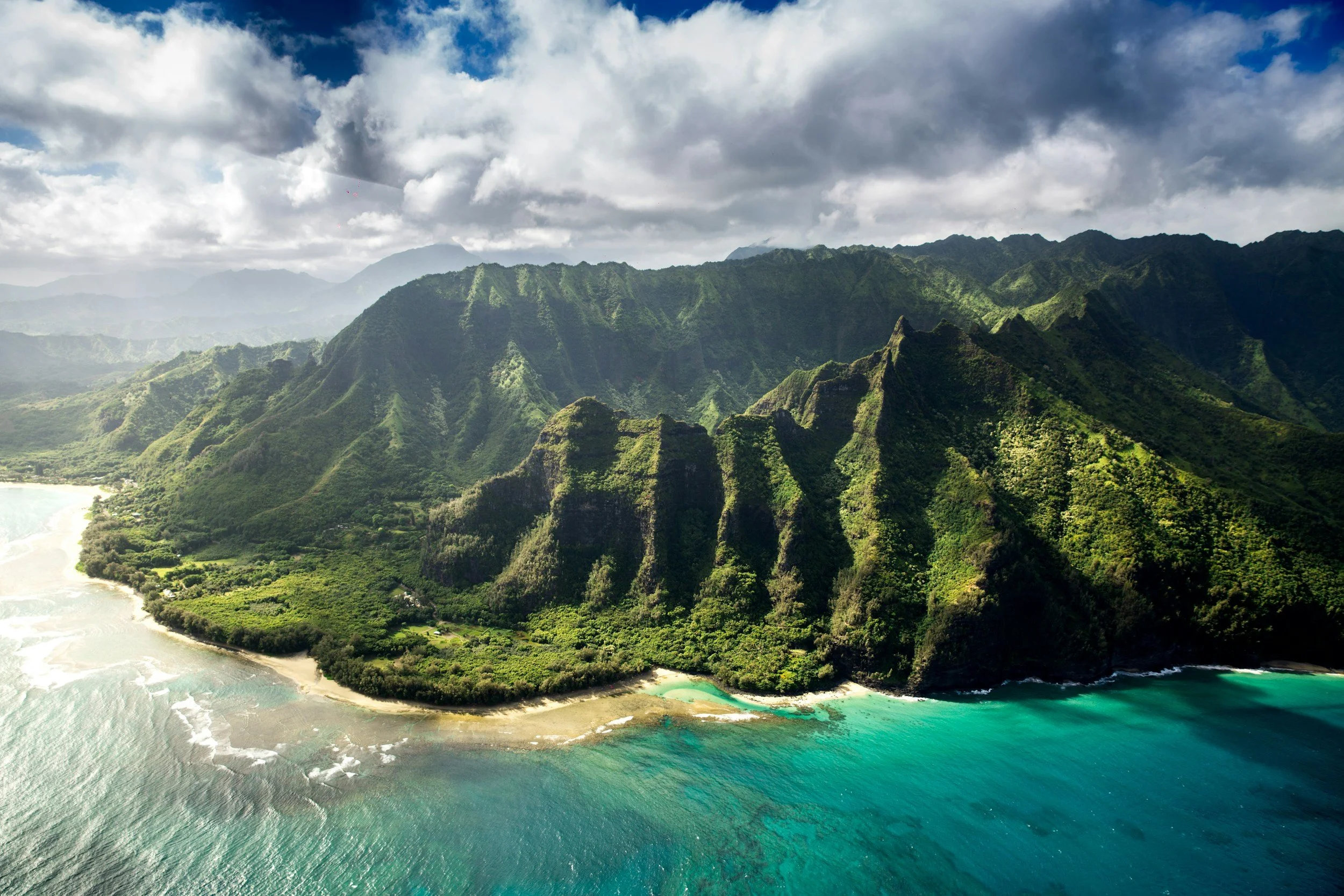
Kauai’s Na Pali Coast
For most travelers, I prefer a comfortable catamaran cruise. It is the best balance of scenery, comfort, shade, space to move around, bathrooms, and a ride that is generally easier on people who are not thrilled by the idea of spending hours being bounced around on the Pacific. These trips often include snorkeling when conditions permit, food or snacks, and time to simply take in the coastline.
If you are active, adventurous, and comfortable being wet, bumpy, and very close to the action, a Zodiac or raft-style outing is thrilling. You will feel the cliffs, sea caves, and swell in a much more immediate way. It is not the choice I would make for anyone with back or neck issues, limited mobility, significant motion sickness, or a strong preference for keeping their sunglasses attached to their face.
A helicopter flight is the best option for travelers who cannot hike, do not want a long boat ride, or want the largest visual payoff in the shortest period of time. Kauaʻi’s interior is inaccessible by road, and seeing the waterfalls, Mount Waiʻaleʻale region, Na Pali Coast, and deep valleys from the air gives you the scale of the island in a way nothing else can.
For the truly special occasion, a private boat charter is the luxury choice. It gives you privacy, flexibility, a more personal level of service, and the ability to shape the day around your group. It is wonderful for milestone birthdays, family groups, honeymoons, or anyone who would rather spend once on a private experience than piece together multiple activities.
Bring a light jacket, reef-conscious sunscreen, water, a dry bag, and motion-sickness medication if you tend to need it. And remember: the ocean decides the day. Snorkeling, sea-cave access, wildlife sightings, and the smoothness of the ride are always weather-dependent.
Waimea Canyon and Kōkeʻe
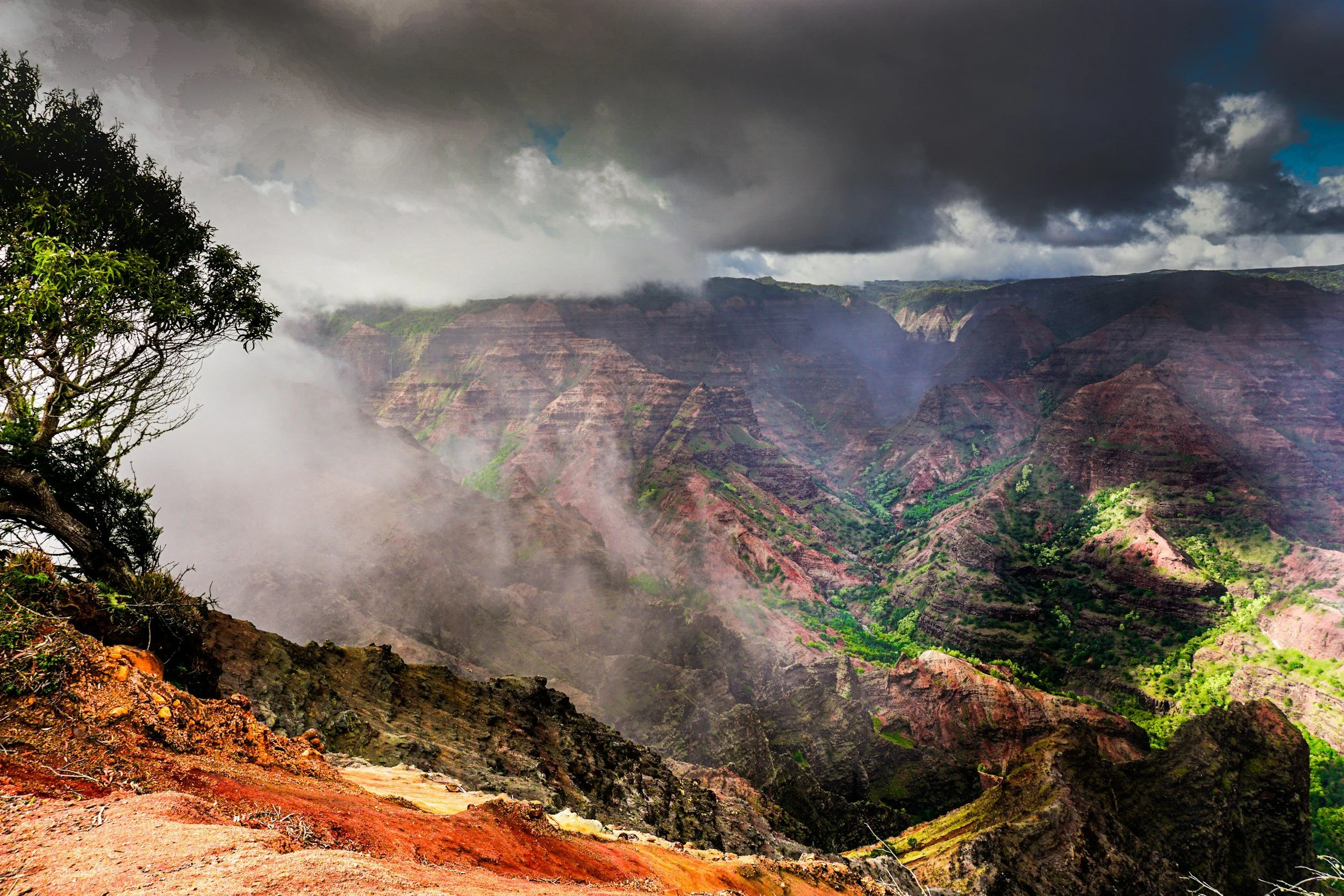
Waimea Canyon is what I call Kauaʻi’s “how is this on the same island?” day. You leave the coast and climb into red-and-green canyon landscapes, lookouts above deep valleys, misty forests, and views toward the Na Pali Coast that feel completely different from seeing it by boat.
I would give this a full day, start early, and avoid building a firm dinner reservation immediately afterward. The road winds upward, weather shifts quickly, and it is exactly the kind of day where you want the freedom to linger if the views are clear.
The best approach is to work your way up from Waimea town, stop at the canyon lookouts, continue through Kōkeʻe, pause for lunch or a snack, and then make your way toward the overlooks that look into Kalalau Valley. If the skies are clear, the views are spectacular. If clouds roll in, it can be moody and beautiful—or completely hidden. That is Kauaʻi.
I would combine the canyon and Kōkeʻe in one day, but I would not combine it with a major hike, North Shore sightseeing, or a boat tour. It is a full-day experience on its own.
Hiking Without Overdoing It
Kauaʻi has hikes for everyone, from coastal walks and manageable canyon trails to serious, muddy, physically demanding routes. The most important thing is to choose based on current weather, your actual fitness level, footwear, and comfort with mud—not the version of yourself you imagine being after two mai tais.
The famous Kalalau Trail is absolutely extraordinary, but it is not a casual walk. It involves steep terrain, exposure, mud, stream crossings, and a serious commitment. Overnight access requires permits, and all access requirements, trail conditions, and potential closures should be checked directly before you go. Hāʻena State Park access is managed by reservation, with parking, shuttle, and entry options available through Go Hāʻena.hawaii-guide
There are plenty of more moderate alternatives in Waimea Canyon and Kōkeʻe that reward you with enormous scenery without asking you to become a backcountry athlete. A local guide can be worthwhile if you are not confident navigating muddy terrain or changing conditions.
Food: What I Would Actually Eat
Kauaʻi is not about chasing a different celebrity-chef restaurant every night. It is better when you mix a few beautiful meals with casual, local, fresh, and unfussy food.
I would plan one or two special dinners with sunset views, fresh local seafood, Hawaiʻi regional cuisine, and a good wine list. Poʻipū is particularly good for this. It is perfect for the night you want to dress up just enough, linger over dinner, and watch the sky do its thing.
Then I would balance that with poke, plate lunches, casual fish markets, food trucks, local breakfast spots, shaved ice, bakery stops, coffee, and whatever tropical fruit looks best that day. Kapaʻa, Kōloa, Hanalei, and Līhuʻe all have good opportunities for easy, local, satisfying meals.
Try fresh ahi, poke, local-style plate lunches, kalua pork, laulau, poi if you are curious, taro dishes, tropical fruit, Kauaʻi-grown coffee, chocolate, and shaved ice. The best meals are often not the fanciest ones. Sometimes it is a plate of fresh fish and rice eaten in your beach cover-up because you wisely did not schedule a complicated lunch.
For special meals, especially in Poʻipū and Hanalei, book in advance. The island does not have an endless supply of tables, and the best dining rooms can fill quickly during school breaks, holidays, and high season.
Roads and Exploring
Kauaʻi is wonderful for scenic drives, but I would treat each major region as its own day rather than creating a daily island-wide loop.
The North Shore drive is about scenery: Princeville views, Hanalei Valley, Hanalei town, beaches, taro fields, and eventually Hāʻena. This is a day to wander, eat something good, sit at the beach, and not rush.
The East Shore is easy for waterfalls, Wailua River, casual food, and a scenic bike ride along the coast. It is a lovely lower-pressure day between bigger outings.
The South Shore is ideal for beach time, resort relaxation, Kōloa Town, coastal walks, and sunset dinners. It is also the most convenient place to base yourself if you are doing boat tours from Port Allen or heading west to Waimea Canyon.
The West Side is drier, more rural, and worth seeing for Waimea Canyon, Kōkeʻe, Hanapēpē, Kekaha, and, with the right vehicle and preparation, the dramatic shoreline near Polihale. Do not attempt remote beach roads casually, late in the day, or without fuel, water, and a clear understanding of your rental-car restrictions.
For road maintenance and changing conditions, use the County of Kauaʻi’s road updates and the Hawaiʻi Department of Transportation information rather than relying only on map apps.
When to Go
Kauaʻi is lovely year-round, but every season comes with a different personality.
Winter is lush, exciting, and a wonderful time for whale watching, especially from the South Shore. It can also bring bigger surf to the North Shore, more rain, and higher holiday pricing. If you are traveling in winter, I would generally choose Poʻipū as the main base.
Spring is a lovely compromise: green landscapes, warm weather, good hiking conditions when rain allows, and sometimes slightly better value outside spring-break weeks.
Summer is excellent for families and travelers hoping for calmer North Shore ocean conditions. It is warmer, busier, and often more expensive, but it is a great time for beach-focused trips.
Fall is one of my favorite periods for couples. It is warm, generally less crowded than peak summer or holiday travel, and ideal for travelers who want a more relaxed pace. You can still get rain at any time—this is Kauaʻi—but the shoulder-season rhythm is hard to beat.
Insider’s Tip: Pack for all of it. You can go from sunny and humid at breakfast to cool, misty, and muddy in Kōkeʻe by lunchtime. A light rain jacket belongs in the car every day.
Planning Your Days
For a first-time trip, I would structure the week something like this: arrive and settle into your hotel without planning too much; do one Na Pali Coast day; allow one full day for Waimea Canyon and Kōkeʻe; include one East Shore or Wailua River day; plan one North Shore day with Hāʻena only if you have the appropriate reservation; then leave two days open for beach time, a helicopter ride, spa time, shopping, a food outing, or simply returning to the place you loved most.
For a luxury version of the trip, I would build around a truly special resort or villa, a private Na Pali outing, a helicopter flight, a spa day, a few excellent dinners, and no more than one major adventure per day. The goal is to feel spoiled, not scheduled.
For an active itinerary, I would book a boat or raft trip, a guided hike, a Wailua River outing, surfing or paddleboarding, Waimea Canyon trails, and at least one flexible weather day. Outdoor Kauaʻi rewards flexibility more than rigidity.
For a relaxed trip, I would choose a beautiful hotel, keep a rental car for freedom, book one Na Pali outing, schedule one canyon day, and let the rest unfold around beaches, pool time, local food, spa treatments, sunset drinks, and a few scenic drives.
What It Really Costs
Kauaʻi is not a bargain destination, especially if you want a quality hotel and a few signature experiences. A comfortable condo or upscale hotel can run several hundred dollars nightly before taxes and fees. A luxury resort can easily move into four figures per night in busy periods. Rental cars, food, resort fees, parking, activities, and Hawaiʻi lodging taxes add up quickly.
For a comfortable upscale trip, I would plan to spend meaningfully on the hotel, one boat or helicopter experience, a rental car, and several good dinners. For a true luxury trip, the major variables are your room category, private tours, and whether you are dining at resort restaurants every evening.
The hidden costs people forget are resort fees, parking, rental-car coverage, groceries, tipping, beach gear, taxes, and activity add-ons. A condo can be an excellent value for longer stays because breakfast, snacks, drinks, and a few casual dinners at home make a noticeable difference.
Book These Early
Book your accommodations and rental car early, especially for holidays, school vacations, summer, and winter whale season. For premium resorts, villas, and special room categories, I would ideally be looking six months out or more.
Reserve boat trips, helicopter tours, private charters, special dinners, and popular small-group activities well before the trip if your dates are fixed.
For Hāʻena State Park, do not wait until you are on the island. Visitor access is controlled, and you need to secure parking, shuttle, or entry arrangements in advance through Go Hāʻena. This is one of the biggest make-or-break planning details for a North Shore day.
Pack Like You Know Better
Bring lightweight clothes, a couple of nicer dinner outfits, a light rain jacket, a warmer layer for higher elevation, secure sandals, good walking shoes, hiking shoes if you plan to hike, reef-conscious sunscreen, a hat, sunglasses, insect repellent, a reusable water bottle, and a dry bag for boat days.
Add motion-sickness supplies if you are doing Na Pali by boat. I would also pack a waterproof phone pouch and a small daypack. You can buy beach gear locally, so there is no need to bring half your garage with you unless you have specific personal equipment you prefer.
Be Smart and Respectful
The ocean is not a backdrop. It is powerful, unpredictable, and sometimes dangerous. Respect signs, lifeguards, weather warnings, and closed trails. Never cross a barrier for a photo. Never enter a flooded stream. Never assume a social-media-famous waterfall, beach, or viewpoint is legally or safely accessible.
Also, be a good guest. Kauaʻi is home to people, families, culture, agriculture, sacred places, and communities—not merely a beautiful vacation set. Respect private property, do not trespass, keep beaches clean, do not remove natural objects, support local businesses, learn the names of the places you visit, and approach Hawaiian culture with curiosity and respect.
The Mistakes I’d Help You Avoid
The biggest first-time mistake is overplanning. Kauaʻi is not the place to book an early hike, a midday kayak tour, a sunset cruise, and a late dinner all in one day. You will spend the whole time driving, changing clothes, and wondering why you are exhausted in paradise.
Other common mistakes include staying too far from the areas you care about, assuming every beach is safe for swimming, skipping reservations for popular activities, booking Hāʻena access too late, underestimating the drive to the North Shore, ignoring weather, and leaving no room to return to a beach or restaurant you unexpectedly love.
The better approach is simple: choose one major experience per day, cluster activities by region, reserve the things that truly require it, and let the rest breathe.
My Final Take
For a first Kauaʻi trip, I would give you seven nights if possible, stay in Poʻipū unless you have enough time to split bases, reserve a Na Pali Coast experience, spend one full day in Waimea Canyon and Kōkeʻe, and leave room for a beach day that has absolutely nothing on the calendar.
The most memorable Kauaʻi trips are not the ones where people saw every waterfall. They are the ones where they slowed down enough to notice the rain on the mountains, the taro fields outside Hanalei, the absurd color of the water, the quiet of a North Shore morning, and the fact that they are having the kind of vacation that genuinely changes their pace for a while.
